
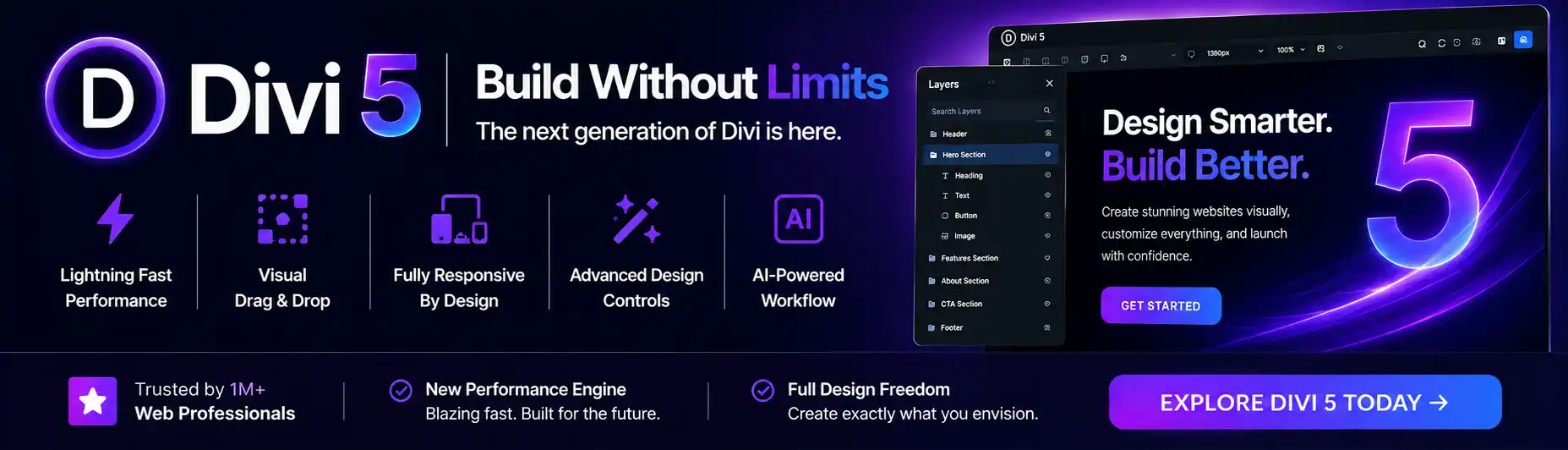
You’ve heard the saying that first impressions matter, and that couldn’t be more true when it comes to websites. In this article, we’ll take a look at the fascinating story of a real-world transformation of a website using Divi, a popular WordPress theme. From a dated and uninspiring design to a sleek and modern interface, this redesign journey showcases the power of creativity and innovation. Get ready to be inspired as we explore the steps taken to breathe new life into this website and the impressive results that were achieved.

The background of Divi Redesign
Introduction to Divi theme
Divi is a popular WordPress theme developed by Elegant Themes. It is known for its user-friendly page builder that allows users to create visually stunning websites without any coding knowledge. With its drag-and-drop interface and countless customization options, Divi has become a go-to choice for both beginners and experienced web designers.
The evolution of Divi
Since its initial release, Divi has gone through several updates and iterations, constantly improving its features and functionalities. As technology advances and design trends evolve, it is important for any product to adapt and stay relevant. This led to the realization that Divi was in need of a redesign to enhance its overall user experience and design aesthetics.
Need for a redesign
As Divi grew in popularity, new challenges began to arise. Users started to provide feedback about certain pain points and areas of improvement. It became evident that a redesign was necessary to address these issues and ensure that Divi remains a top choice amongst its competitors. The goal was to create a new and improved version of Divi that would not only solve the existing problems but also deliver an exceptional user experience and visually appealing designs.
Understanding the goals of the redesign
Identifying pain points
In order to understand the pain points of Divi users, extensive user research was conducted. The feedback received from the user community was analyzed to identify common issues and areas of improvement. Some of the pain points included the complexity of the page builder, difficulties in customization, and limitations in pre-designed templates. These pain points became the focus of the redesign process.
Enhancing user experience
One of the primary goals of the redesign was to enhance the overall user experience of Divi. The aim was to simplify the page builder interface, streamline the customization process, and make it more intuitive for users to create their desired designs. By addressing the pain points identified during the research phase, the goal was to make Divi a more user-friendly and enjoyable tool for web designers.
Improving design aesthetics
Another key aspect of the redesign was to improve the design aesthetics of Divi. While the existing templates and designs were functional, there was room for improvement in terms of modernity and visual appeal. The redesign aimed to introduce fresh and contemporary design elements, ensuring that websites built with Divi would stand out in today’s competitive online landscape.


Research and planning stage
Conducting user research
User research played a crucial role in understanding the needs and preferences of Divi users. Surveys, interviews, and usability tests were conducted to gather valuable insights. This research helped uncover user pain points, understand their workflows, and identify areas for improvement. The findings from this research formed the foundation for the redesign process.
Analyzing competitor designs
To ensure Divi remains competitive in the market, an analysis of competitor designs was undertaken. This research provided insights into the current design trends, features, and functionalities offered by other popular WordPress themes. By understanding what other successful products were offering, the redesign team was able to determine which aspects of Divi needed improvement to stay ahead of the competition.
Defining project scope and objectives
Based on the research findings and competitor analysis, the project scope and objectives were defined. The scope outlined the specific areas that needed improvement, such as the page builder interface, customization options, and pre-designed templates. The objectives were set to ensure that the redesign process aligns with the overall goals of enhancing user experience and improving design aesthetics.
Choosing the right design approach
Evaluating different design options
Several design options were explored to determine the best approach for the Divi redesign. The team considered various design styles, layouts, and color schemes to see how they would align with the project goals. Mockups and prototypes were created to visualize different design possibilities and evaluate their impact on the user experience and overall aesthetics.
Considering user feedback
Throughout the design process, user feedback was constantly sought and considered. Divi users were involved in providing feedback on the proposed design options and prototypes. This iterative approach ensured that the design choices were validated by the target audience and addressed their needs and preferences. User feedback played a vital role in finalizing the design concept.
Finalizing the design concept
After careful evaluation and consideration, the design concept for the Divi redesign was finalized. The chosen design not only addressed the pain points identified during the research phase but also incorporated the latest design trends and user preferences. The final design concept aimed to provide a seamless user experience, intuitive customization options, and visually stunning templates.

Implementing the new design
Creating wireframes and prototypes
With the design concept finalized, the next step was to create detailed wireframes and interactive prototypes. Wireframes helped in visualizing the layout and structure of the redesigned elements, while prototypes allowed for user testing and feedback. The wireframes and prototypes served as a blueprint for the development team to bring the new design to life.
Iterative design and feedback
The implementation phase involved an iterative design process, where the design team collaborated closely with the development team. Design elements were refined based on technical feasibility and user feedback received during the prototyping phase. The iterative design approach ensured that the final product met the desired user experience and design aesthetics.
Collaboration with development team
The successful implementation of the new design required close collaboration between the design and development teams. The design team worked hand-in-hand with the development team to ensure the accurate translation of the design concept into a functional product. This collaboration involved regular communication, feedback integration, and problem-solving to overcome any technical challenges that arose.
Overcoming challenges
Technical limitations
During the implementation phase, the design team encountered technical limitations that needed to be addressed. The new design concept required specific functionalities and performance enhancements that sometimes posed challenges for the development team. Through effective communication and problem-solving, these technical limitations were overcome, ensuring that the final product met the intended design goals.
Budget constraints
Budget constraints can often pose challenges during any project, and the Divi redesign was no exception. The design team had to find innovative solutions within the allocated budget to deliver the desired improvements. By prioritizing the most crucial design elements and optimizing the design process, the team was able to overcome the budget constraints and deliver a high-quality redesign.
Timeline management
Managing the timeline was crucial to ensure the timely completion of the Divi redesign. The design team had to work efficiently within the given timeline, considering the iterative nature of the design process. Effective project management, regular communication, and agile methodologies were employed to ensure all tasks were completed within the specified timeframe.

Testing and refining the design
User testing and feedback
Once the new design was implemented, extensive user testing was conducted to gather feedback and identify any usability issues. Divi users were invited to test the redesigned features and provide feedback on their experience. This feedback proved invaluable in identifying any remaining pain points and areas for further refinement.
Iterative design improvements
The feedback received from user testing was thoroughly analyzed, and design improvements were made based on the insights gathered. The design team refined the visual elements, adjusted the interface based on user preferences, and optimized the customization options to ensure a seamless user experience. This iterative process continued until the final design met the desired goals.
Addressing usability issues
The user testing phase helped identify and address any usability issues that emerged during the redesign process. The design team carefully reviewed user feedback and made necessary adjustments to enhance usability. Usability improvements were made to streamline workflows, simplify processes, and remove any unnecessary complexities, ensuring that the final design was user-friendly and intuitive.
Launch and monitoring
Transferring design to production environment
Once the design was finalized and all usability issues were addressed, it was time to transfer the redesigned Divi to the production environment. This involved coordinating with the development team to ensure a smooth transition and proper implementation of the new design. Thorough testing and quality assurance measures were undertaken to guarantee a seamless launch.
Monitoring user behavior and feedback
Following the launch, user behavior and feedback were closely monitored to gauge the impact of the redesign. User analytics tools and feedback mechanisms were employed to collect valuable data on user engagement, conversion rates, and overall satisfaction. This monitoring helped in assessing the success of the redesign and identifying any further improvements that could be made.
Making necessary adjustments
Based on the monitoring and feedback received, any necessary adjustments were made to the redesigned Divi. User feedback played a critical role in identifying further areas of improvement, which were then addressed through iterative updates. The goal was to continuously refine the design, ensuring that Divi remains a cutting-edge and user-friendly WordPress theme.

Results and impact
Improvements in user engagement
The Divi redesign resulted in significant improvements in user engagement. Users found the new design more intuitive and user-friendly, leading to increased interaction and exploration of the various customization options. The streamlined workflows and enhanced usability had a positive impact on how users engaged with Divi, resulting in higher levels of user satisfaction.
Enhanced conversion rates
One of the key aims of the redesign was to improve conversion rates for websites built using Divi. The enhanced design aesthetics and user experience made websites more visually appealing and engaging, which ultimately led to increased conversions. Businesses and individuals using Divi experienced higher conversion rates, further solidifying Divi’s position as a powerful tool for website creation.
Positive user feedback
The redesigned Divi received overwhelmingly positive feedback from users. The pain points that were addressed during the redesign process were acknowledged and appreciated by the user community. Users found the new design concept visually pleasing, the customization options more flexible, and the overall user experience significantly improved. The positive user feedback reinforced the success of the redesign project.
Lessons learned and future plans
Key takeaways from the redesign
The Divi redesign project offered valuable insights and lessons for the design team. The importance of user research and feedback was highlighted, emphasizing the need to understand user needs and preferences throughout the design process. The iterative design approach proved effective in continuously improving the design, and collaboration with the development team was vital for successful implementation.
Future updates and enhancements
The Divi redesign is just the beginning of a continuous improvement process. Elegant Themes plans to regularly update and enhance Divi based on user feedback and evolving design trends. The goal is to ensure that Divi remains a leading WordPress theme that caters to the needs of both beginners and experienced web designers, offering cutting-edge features and an exceptional user experience.
Continuing improvement of Divi
Continuing the tradition of innovation, Elegant Themes is committed to improving Divi based on real user feedback and industry trends. Regular updates and enhancements will be released to address any emerging user needs and to stay ahead in the competitive WordPress market. The Divi redesign project served as a stepping stone towards a brighter and more successful future for Divi and its user community.
In conclusion, the Divi redesign project aimed to address the pain points of Divi users, enhance the user experience, and improve the design aesthetics. Through extensive research, iterative design, and collaboration with the development team, Divi underwent a comprehensive transformation. The results of the redesign were remarkable, with improvements in user engagement, conversion rates, and positive user feedback. The lessons learned from this project will guide future updates and enhancements, ensuring that Divi remains a top choice for website design on WordPress.

