
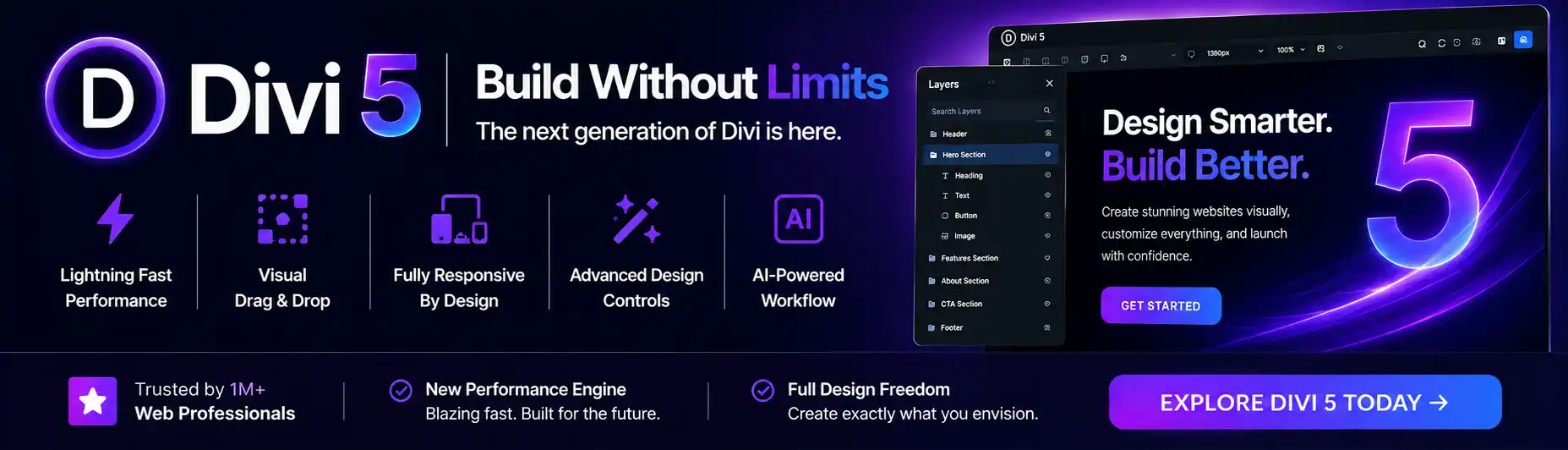
In this article, you will discover how to create effective and visually stunning landing pages using Divi, the ultimate WordPress theme and visual page builder. Whether you are a web designer or a business owner looking to improve your online presence, this visual playbook will guide you step-by-step in designing high-converting landing pages that capture your audience’s attention and drive them to take action. Say goodbye to boring and ineffective pages, and say hello to a visually captivating and conversion-driven online experience. Let’s get started!
Understanding the Importance of High-Converting Landing Pages
Why landing pages matter
Landing pages are a crucial element in any online marketing strategy. They serve as the entry point for potential customers and play a significant role in converting visitors into leads or customers. Unlike regular webpages, landing pages are designed with a specific goal in mind, such as encouraging users to sign up for a newsletter, download a free ebook, or make a purchase.
The primary purpose of a landing page is to capture the attention of the visitor and guide them towards taking the desired action. However, creating an effective landing page that converts can be a challenging task. This is where Divi, a powerful page builder tool, comes into play.
The benefits of high-converting landing pages
Designing high-converting landing pages offers several benefits for businesses. Firstly, they help increase conversion rates by providing a streamlined experience for visitors, ensuring they are directed towards the desired action. This can result in higher lead generation, increased sales, and better return on investment (ROI) for your marketing efforts.
Secondly, high-converting landing pages allow you to capture valuable data about your audience. By incorporating lead capture forms and analytics tools, you can gather important information about your visitors, such as their email addresses or preferences. This data can be used to personalize your marketing strategies and enhance your overall customer experience.
Lastly, well-designed landing pages can elevate your brand’s reputation and credibility. A visually appealing and user-friendly landing page creates a positive impression on visitors, making them more likely to trust your brand and engage with your offerings.
In the following sections, we will delve deeper into the key elements of a high-converting landing page and how Divi can assist you in designing them effectively.
Introduction to Divi
What is Divi
Divi is a popular page builder tool that allows you to easily create stunning and high-converting landing pages on your WordPress site. Developed by Elegant Themes, Divi provides a user-friendly and intuitive interface that eliminates the need for extensive coding knowledge. With Divi, you can create customized landing pages that align with your brand’s visual identity and capture the attention of your target audience.
Why use Divi for designing landing pages
Divi offers a wide range of features and functionalities that make it an ideal choice for designing landing pages. Here are a few reasons why you should consider using Divi for your landing page design:
Drag-and-drop functionality: Divi’s intuitive drag-and-drop interface makes it easy for anyone, regardless of technical expertise, to design and customize landing pages. You can simply select elements from the available modules and drop them onto your page, rearranging them as needed.
Pre-designed layouts: Divi offers a vast library of pre-designed landing page layouts that you can choose from. These layouts are professionally crafted and visually appealing, providing a solid foundation for your landing page design. You can also customize these layouts to suit your specific needs.
Responsive design: With the increasing use of mobile devices, having a responsive landing page is crucial. Divi ensures that your landing pages automatically adjust to different screen sizes and devices, providing a seamless user experience.
Advanced customization options: Divi allows you to modify various design elements such as colors, fonts, and styles to match your brand identity. This level of customization ensures that your landing page looks unique and aligns with your overall marketing strategy.
Integration with other tools: Divi seamlessly integrates with popular email marketing tools, lead capture forms, and analytics platforms, making it easier to track the performance of your landing pages and optimize for better conversions.
Now that we understand the basics of Divi, let’s explore the key elements that make a landing page highly effective.
Key Elements of a High-Converting Landing Page
Clear and compelling headline
The headline of your landing page is the first thing visitors see and has the power to make or break their interest. A high-converting landing page should have a clear and compelling headline that instantly grabs attention and communicates the value proposition of your product or service. It should be concise, engaging, and resonate with your target audience.
Eye-catching visuals
Visual elements play a crucial role in capturing visitors’ attention and conveying your message effectively. Incorporate high-quality images, graphics, and videos that are relevant to your offering and enhance the overall aesthetic appeal of your landing page. Visuals should be visually appealing, engaging, and help reinforce the key messages you want to convey.
Effective call-to-action (CTA) buttons
A well-designed call-to-action (CTA) button acts as a guide for visitors and encourages them to take the desired action. Your CTA button should be visually distinct, easily noticeable, and use action-oriented language. It should clearly communicate the benefit of taking the desired action and create a sense of urgency or excitement to prompt visitors to click.
Responsive design
In this mobile-driven era, it is crucial to ensure that your landing page is responsive and adapts seamlessly to different screen sizes and devices. A mobile-friendly landing page not only improves user experience but also positively impacts your search engine optimization (SEO) efforts. Divi’s responsive design capabilities make it easy to create landing pages that look great on any device.
Easy navigation
A high-converting landing page should have a clear and intuitive navigation structure that guides visitors towards the desired action. Keep the navigation menu minimal and avoid distracting visitors with multiple options. Use breadcrumb trails, anchor links, or scrollable sections to help users navigate through your page effortlessly.
Well-placed testimonials and social proof
Including testimonials and social proof on your landing page can significantly enhance your credibility and trustworthiness. Testimonials from satisfied customers or influential figures in your industry can act as powerful social proof, reassuring visitors that your product or service delivers on its promises. Place these testimonials strategically on your landing page to maximize their impact.
Quality content
Compelling and persuasive content is essential for a high-converting landing page. Clearly communicate the benefits and value proposition of your product or service, addressing visitors’ pain points and demonstrating how you can solve their problems. Your content should be concise, easy to understand, and compelling enough to convince visitors to take the desired action.
Attention to loading speed
Loading speed is a critical factor that can significantly impact your landing page’s performance. Visitors have limited patience and will likely abandon your page if it takes too long to load. Optimize your landing page by compressing images, minifying code, and leveraging caching techniques to ensure fast loading times. Divi provides optimization features to help you improve your landing page’s loading speed.
Now that we’ve covered the key elements of a high-converting landing page, let’s dive into how you can get started with Divi and begin designing your own effective landing pages.
Getting Started with Divi
Installing and activating Divi on your WordPress site
To get started with Divi, you first need to install and activate the Divi theme on your WordPress site. Here’s a step-by-step guide on how to do it:
- Log in to your WordPress admin dashboard.
- Go to “Appearance” and click on “Themes.”
- Click on the “Add New” button.
- Search for “Divi” in the search bar.
- Click on the “Install” button next to the Divi theme.
- Once the installation is complete, click on “Activate” to activate the theme.
Congratulations, you’ve successfully installed and activated Divi on your WordPress site!
Exploring the Divi Builder
Divi Builder is the powerful drag-and-drop page builder tool that comes bundled with the Divi theme. It allows you to easily create and customize your landing pages without any coding knowledge. Let’s explore some key features of the Divi Builder:
Frontend editing: Divi Builder provides a live frontend editing experience, allowing you to see the changes you make in real-time. You can simply click on any element to edit its properties or drag-and-drop elements onto your page.
Module library: Divi Builder offers a vast library of pre-designed modules that you can add to your landing page. These modules include image galleries, forms, sliders, pricing tables, and much more. Simply drag and drop them onto your page to enhance its functionality.
Drag-and-drop functionality: Divi Builder’s intuitive drag-and-drop interface makes it easy to rearrange elements on your page. You can simply click on an element, drag it to the desired position, and release to drop it.
Choosing a pre-designed landing page layout
Divi provides a wide variety of pre-designed landing page layouts that can serve as an excellent starting point for your design. Here’s how you can choose a pre-designed layout for your landing page:
- Launch the Divi Builder by clicking on the “Use Divi Builder” button when editing a page.
- Click on the “Load From Library” icon to access the layout library.
- Browse through the available landing page layouts and choose the one that best suits your needs.
- Click on the layout to preview it, and if it meets your requirements, click on the “Use This Layout” button to import it into your page.
Once you’ve imported a pre-designed layout, you can start customizing it to match your brand’s visual identity and optimize it for conversions.
Customizing Your Landing Page with Divi
Changing the layout and structure
Divi allows you to change the layout and structure of your landing page easily. Here’s how you can do it:
- Launch the Divi Builder by clicking on the “Use Divi Builder” button when editing a page.
- Hover over a section, row, or module on your landing page to reveal the editing options.
- Click on the “Design” tab to access the design settings for that element.
- In the design settings, you can modify the width, height, spacing, and other attributes to customize the layout and structure of your landing page.
Modifying colors, fonts, and styles
To match your landing page with your brand’s visual identity, you can easily modify colors, fonts, and styles using Divi’s customization options. Here’s how you can do it:
- Launch the Divi Builder by clicking on the “Use Divi Builder” button when editing a page.
- Click on an element on your landing page to reveal the editing options.
- Click on the “Design” tab and navigate to the “Typography” or “Colors” settings.
- In the typography settings, you can modify the font size, font style, and other attributes.
- In the colors settings, you can change the background color, text color, and other color attributes.
Adding and rearranging content sections
Divi allows you to add new content sections to your landing page, enhancing its functionality and aesthetics. Here’s how you can add and rearrange content sections:
- Launch the Divi Builder by clicking on the “Use Divi Builder” button when editing a page.
- Click on the “Add new section” button to add a new content section.
- Choose the desired section layout from the available options.
- Drag and drop modules into the section to add content. You can choose from various module types like text, image, video, and more.
- To rearrange content sections, simply drag and drop them to the desired position.
Including multimedia elements
Divi allows you to include multimedia elements like images, videos, and animations to make your landing page more engaging and visually appealing. Here’s how you can add multimedia elements using Divi:
- Launch the Divi Builder by clicking on the “Use Divi Builder” button when editing a page.
- Click on the “Add new section” button to add a new content section.
- Drag and drop the “Image” module or “Video” module into the section.
- Upload your desired image or video file, or provide the URL of the media you want to include.
- Customize the display settings and other attributes of the multimedia element to ensure it aligns with your design.
Optimizing mobile responsiveness
With Divi, optimizing your landing page for mobile devices is a breeze. Divi automatically makes your landing page responsive, but you can further optimize its mobile responsiveness using the following steps:
- Launch the Divi Builder by clicking on the “Use Divi Builder” button when editing a page.
- Click on an element on your landing page to reveal the editing options.
- Click on the “Design” tab and navigate to the “Responsive” settings.
- Use the responsive settings to adjust the appearance of the element on various screen sizes.
- Repeat these steps for all elements on your landing page to ensure a seamless mobile experience.
Now that you know how to customize your landing page using Divi, let’s move on to optimizing it for maximum conversions.
Optimizing your Landing Page for Conversion
Implementing effective headlines and subheadings
When it comes to optimizing your landing page for conversions, effective headlines and subheadings are paramount. Here’s how you can implement them effectively:
- Craft a compelling headline that grabs attention and clearly communicates the value proposition of your offering.
- Use subheadings to guide visitors through the different sections of your landing page and highlight key benefits or features.
Crafting persuasive and concise copy
To persuade visitors to take the desired action, your landing page copy must be compelling and concise. Follow these tips to craft persuasive copy:
- Clearly communicate the benefits and value proposition of your product or service.
- Use concise and easy-to-understand language.
- Address visitors’ pain points and demonstrate how your offering can solve their problems.
- Incorporate persuasive language and action-oriented words.
Designing attention-grabbing CTA buttons
Your call-to-action (CTA) buttons are where conversions happen, so it is crucial to design them in a way that captures visitors’ attention and motivates them to click. Here’s how you can design attention-grabbing CTA buttons:
- Make your CTA buttons visually distinct with contrasting colors and compelling text.
- Use action-oriented language that creates a sense of urgency or excitement.
- Ensure that your CTA buttons are strategically placed throughout your landing page, making them highly visible and easily accessible.
Using compelling visuals and images
Visuals and images play a significant role in capturing visitors’ attention and conveying your message effectively. Follow these guidelines to use compelling visuals on your landing page:
- Choose high-quality images or graphics that are relevant to your offering and resonate with your target audience.
- Use images that showcase the benefits or results of using your product or service.
- Incorporate visuals that evoke emotions or create a sense of desire in your audience.
- Ensure that the visuals are visually appealing and aligned with your brand’s visual identity.
Including social proof and testimonials
Social proof and testimonials can significantly enhance your landing page’s credibility and trustworthiness. Here’s how you can effectively include them:
- Incorporate testimonials from satisfied customers, influential figures in your industry, or reputable publications.
- Place testimonials strategically on your landing page, near your call-to-action buttons or close to the key benefits of your offering.
- Use social proof in the form of customer reviews, ratings, or badges to showcase the popularity or positive feedback about your product or service.
A/B testing for continuous improvement
A/B testing is an essential practice for optimizing your landing page’s performance. By testing different variations of your landing page, you can identify which elements or design choices result in the highest conversions. Divi allows you to easily conduct A/B tests by creating different versions of your landing page and tracking their performance using analytics tools.
Now that you’ve optimized your landing page for conversions, let’s explore ways to maximize its impact and elevate your marketing efforts.
Maximizing the Impact of your Landing Page
Integrating email marketing tools
Email marketing is a powerful tool for nurturing leads and converting them into customers. Integrate email marketing tools with your landing page to capture visitor email addresses and automate follow-up campaigns. Divi seamlessly integrates with popular email marketing platforms like Mailchimp, allowing you to leverage their features to maximize the impact of your landing page.
Using lead capture forms
Lead capture forms are a vital component of a high-converting landing page. Integrate lead capture forms using Divi’s built-in modules or plugins to collect valuable information about your visitors. Customize your forms to ask only essential information, making it easier for visitors to submit and ensuring a higher conversion rate.
Implementing exit intent pop-ups
Exit intent pop-ups are powerful tools for capturing the attention of visitors who are about to leave your landing page. Use Divi’s pop-up builder to create compelling exit intent pop-ups that offer additional value or incentives to visitors. These pop-ups can be used to collect email addresses, offer discounts, or provide exclusive content, increasing the chances of conversion before a visitor exits.
Creating urgency with countdown timers
Creating a sense of urgency is an effective strategy for boosting conversions. Implement countdown timers on your landing page using Divi’s countdown timer module to create a fear of missing out (FOMO). These timers can be used to highlight limited-time offers, flash sales, or upcoming events, encouraging visitors to take action immediately.
Utilizing live chat option
Live chat offers real-time communication with your visitors, allowing you to address their questions or concerns instantly. Integrate live chat functionality on your landing page using Divi’s live chat modules or third-party chat plugins. By providing instant support, you can enhance the overall user experience and increase the chances of conversion.
Now that you’ve maximized the impact of your landing page, let’s explore how you can track and analyze its performance to further optimize it.
Tracking and Analyzing Landing Page Performance
Setting up analytics tools
Tracking the performance of your landing page is crucial to identify areas for improvement and optimize for better conversions. Set up analytics tools like Google Analytics on your WordPress site to track key metrics related to your landing page’s performance. Divi provides easy integration with analytics tools, allowing you to monitor essential data seamlessly.
Monitoring key metrics and conversions
Key metrics and conversions provide insights into your landing page’s effectiveness and help you determine its success. Monitor metrics such as traffic, bounce rate, time on page, and conversion rate to identify areas for improvement. Divi’s integration with analytics tools facilitates monitoring and analyzing these metrics to make data-driven decisions.
Analyzing user behavior with heatmaps
Heatmaps provide visual representations of user behavior on your landing page, highlighting areas of high activity and engagement. Use heatmap tools like Hotjar to analyze user behavior, such as where users click, scroll, or spend the most time. Divi’s compatibility with heatmaps makes it easy to gather and analyze this data, helping you optimize your landing page for better conversions.
Using split testing to optimize performance
Split testing, also known as A/B testing, is a method that allows you to compare two or more versions of your landing page to determine which performs better. Use Divi’s A/B testing features to create different variations of your landing page and track their performance over time. By testing and comparing elements like headlines, CTA buttons, or layouts, you can identify the most effective design choices and refine your landing page continuously.
Now that you have a comprehensive understanding of tracking and optimizing your landing page’s performance, let’s explore some best practices for designing high-converting landing pages.
Best Practices for Designing High-Converting Landing Pages
Simplifying the design
Keep your landing page design clean, minimal, and focused on the main purpose. Avoid clutter or unnecessary elements that can distract or confuse visitors. Incorporate ample white space, clear headings, and concise copy to create a visually appealing and easy-to-understand layout.
Keeping the focus on the main purpose
Ensure that your landing page has a singular focus and prominently displays the main call-to-action. Avoid including unrelated elements or secondary offers that can dilute the primary goal. Keeping the focus on the desired conversion action helps visitors make a quick decision and simplifies their journey towards conversion.
Minimizing distractions
Eliminate distractions that can steer visitors away from taking the desired action. Remove unnecessary navigation links, external ads, or pop-ups that can divert attention. The more focused your landing page is, the higher the chances of converting visitors into leads or customers.
Using concise and persuasive copy
Craft concise and persuasive copy that clearly communicates the benefits and value proposition of your offering. Use bullet points, short paragraphs, and attention-grabbing headlines to convey your message efficiently. Break down complex information into easily digestible chunks to maintain visitors’ engagement.
Ensuring a seamless user experience
Provide a seamless user experience by optimizing your landing page for speed, mobile responsiveness, and easy navigation. A slow-loading or non-responsive landing page can lead to visitor frustration and increase bounce rates. Test your landing page on different devices and screen sizes to ensure a smooth experience for all visitors.
Avoiding common design pitfalls
When designing your landing page, be mindful of common design pitfalls that can negatively impact its performance. Avoid cluttered layouts, long paragraphs, confusing navigation, or irrelevant visuals. Similarly, stay away from generic stock images, slow-loading media files, or excessive use of animations that can hinder the overall user experience.
With these best practices in mind, you can create high-converting landing pages that effectively engage visitors and drive conversions.
Conclusion
In conclusion, understanding the importance of high-converting landing pages and how to design them effectively using Divi is crucial for any business looking to maximize their online conversions. By incorporating key elements such as clear headlines, eye-catching visuals, effective CTAs, responsive design, easy navigation, testimonials, quality content, and attention to loading speed, you can create landing pages that captivate and convert your target audience.
Getting started with Divi is straightforward, as you can easily install and activate it on your WordPress site. Exploring the Divi Builder allows you to access pre-designed landing page layouts and customize them to align with your brand’s visual identity. Divi’s flexibility in modifying layouts, colors, fonts, adding content sections, and including multimedia elements helps you create visually stunning and highly functional landing pages.
To optimize your landing page for conversion, implement effective headlines, compelling copy, attention-grabbing CTA buttons, persuasive visuals, social proof, and A/B testing for continuous improvement. Maximize the impact of your landing page by integrating email marketing tools, utilizing lead capture forms, implementing exit intent pop-ups, creating urgency with countdown timers, and using live chat options to enhance user experience.
Tracking and analyzing your landing page’s performance with analytics tools, monitoring key metrics and conversions, analyzing user behavior with heatmaps, and utilizing split testing are essential for ongoing optimization and improvement. Finally, adhering to best practices such as simplifying the design, keeping the focus on the main purpose, minimizing distractions, using concise and persuasive copy, ensuring a seamless user experience, and avoiding common design pitfalls will help you design high-converting landing pages with Divi.
Incorporate these strategies, leverage the power of Divi, and create landing pages that not only capture visitors’ attention but also drive conversions and contribute to your business’s growth and success.
